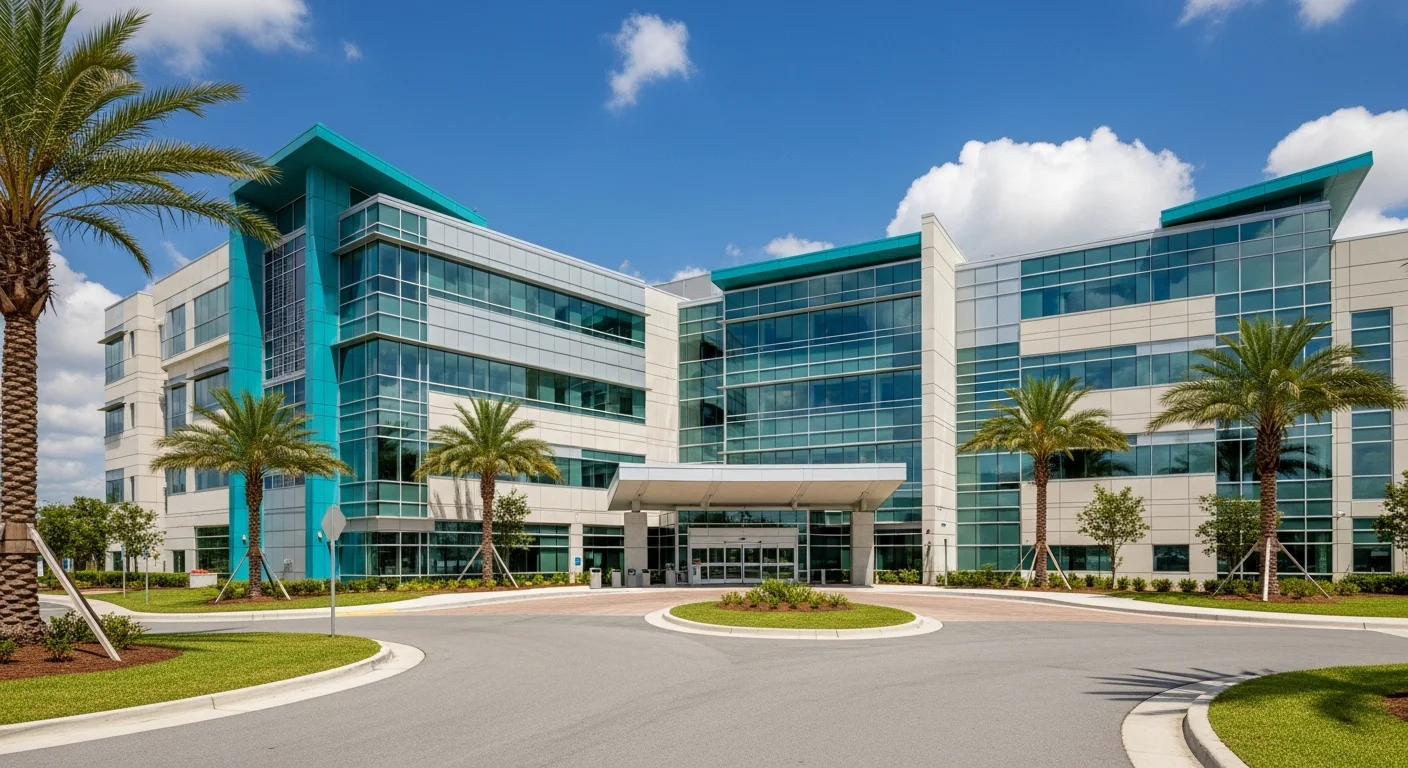
Medical billing and coding programs in Georgia prepare you for a growing healthcare market where coders earn $64,353 per year on average. Southern Crescent Technical College offers training at just $2,400/year, one of the most affordable options in the Southeast. Atlanta's major health systems, including Emory, Piedmont, and WellStar, drive strong and consistent demand.
- 1.Medical billing and coding professionals in Georgia earn an average of $64,353 per year, approximately $14,100 above the national BLS median of $50,250 (AAPC, 2024).
- 2.Southern Crescent Technical College in Griffin offers training at approximately $2,400 per year, one of the most affordable options in the Southeast.
- 3.The Atlanta metro area is one of the largest healthcare markets in the country, anchored by Emory Healthcare, Piedmont Healthcare (22 hospitals), and WellStar Health System (11 hospitals).
- 4.The BLS projects 7% employment growth for medical records specialists from 2024 to 2034, and Georgia's above-average population growth supports strong local job creation.
- 5.No state license is required in Georgia, but CPC, CCA, or CBCS certification is expected by employers.
$64,353
Georgia Avg Salary
AAPC, 2024
3+
Training Programs
IPEDS 2023-2024
7%
Job Growth
2024-2034, BLS
14,200
Annual Openings
Nationwide, BLS
Medical Billing and Coding in Georgia
Georgia is the eighth-most-populous state in the country, with over 11 million residents, and its healthcare sector is one of the largest in the Southeast. The Atlanta metro area alone accounts for roughly half the state's population and serves as a regional healthcare hub, drawing patients from surrounding states. This concentration of healthcare activity creates strong and persistent demand for medical billing and coding professionals.
Major health systems include Emory Healthcare (the state's most comprehensive academic health system), Piedmont Healthcare (22 hospitals), WellStar Health System (11 hospitals), Grady Health System (Atlanta's public safety-net hospital), and Augusta University Health. The state also has a network of community health centers, military treatment facilities (Fort Eisenhower, formerly Fort Gordon), and a growing telemedicine sector.
Georgia doesn't require a state license for medical billing and coding. Employers uniformly expect national certification. For a complete overview of the field, see What Is Medical Billing and Coding?
Source: IPEDS, 2023-2024
Medical Billing and Coding Training Programs in Georgia
Georgia offers three IPEDS-reported medical billing and coding programs at different price points. Southern Crescent Technical College in Griffin charges approximately $2,400 per year as part of Georgia's Technical College System, making it one of the most affordable programs in the Southeast. Mercer University in Macon is a private nonprofit at approximately $33,080 per year with a health informatics program. Miller-Motte College in Augusta is a private for-profit institution offering campus-based training.
National online programs are also accessible to Georgia residents, including Ultimate Medical Academy (the largest MBC program by completions), Penn Foster ($1,049-$1,869), Western Governors University ($7,710/year), and Purdue University Global ($10,080/year). For many students, Georgia's Technical College System programs offer the best combination of affordability and quality. See How to Become a Medical Biller and Coder for a step-by-step guide.
Public technical college with annual tuition of approximately $2,400. Part of Georgia's Technical College System offering affordable, career-focused training with online coursework.
Key Points
- Most affordable in-state option
- Online coursework available
- Public-institution rates
Private nonprofit university with tuition of approximately $33,080/year. Offers a health informatics program with online delivery and strong institutional reputation.
Key Points
- Private-university resources
- Health informatics focus
- Online delivery available
Private for-profit institution offering campus-based medical billing and coding training in the Augusta area.
Key Points
- Campus-based program
- Augusta metro location
- Career-focused curriculum
Certification Requirements for Georgia Medical Coders
Georgia has no state licensing requirement for medical billing and coding. Certification is voluntary but strongly preferred by employers. The CPC ($425-$499) from AAPC is the most widely held credential in the country. The CCA ($199-$299) from AHIMA requires only a high school diploma. The CBCS (~$117) from NHA covers billing and coding fundamentals at the lowest cost.
AAPC data shows certified coders average $62,689 nationally, and three-plus-credential holders average $84,414. Georgia has active AAPC local chapters in Atlanta, Augusta, Macon, and Savannah that provide networking and continuing education resources. See our certification comparison for full details.
Source: AAPC 2024 vs. BLS May 2024
Georgia Medical Coding Salary and Job Outlook
Medical billing and coding professionals in Georgia earn an average of $64,353 per year, or approximately $30.94 per hour (AAPC, 2024). That's roughly $14,100 above the national BLS median of $50,250. Georgia's moderate cost of living, particularly outside the Atlanta metro, means this salary provides solid purchasing power.
The Atlanta-Sandy Springs-Roswell metro area accounts for the largest concentration of medical coding jobs and generally offers the highest pay. Augusta, Savannah, Columbus, and Macon also have healthcare employer clusters. The BLS projects 7% employment growth for medical records specialists from 2024 to 2034. Georgia's population growth, fueled partly by in-migration from other states, suggests healthcare job creation will remain strong. For detailed salary data, see our Salary Guide.
Career Opportunities for Medical Coders in Georgia
Georgia's healthcare job market is diverse and deep. Emory Healthcare is the state's leading academic health system and a major employer of medical coders. Piedmont Healthcare operates 22 hospitals across the state. WellStar Health System, Grady Health System, Augusta University Health, and Memorial Health (Savannah) are additional major employers. Atlanta is also home to the U.S. Centers for Disease Control and Prevention (CDC) and several large health IT companies, which can create niche positions for coders with technology or public health coding expertise.
Remote work significantly broadens your options. Approximately 65.7% of medical coders work from home full time (AAPC, 2024). National employers like Optum, Datavant, Aviacode, and The Coding Network hire remote coders from Georgia. The state's Eastern time zone and moderate cost of living make it an attractive base for remote coding careers. For more, see our remote jobs guide.
Source: Piedmont Healthcare
Steps to Start Your Medical Billing and Coding Career in Georgia
Complete a training program
Southern Crescent Technical College ($2,400/yr) is the most affordable local option. National online programs like Penn Foster ($1,049-$1,869) and WGU ($7,710/yr) are also available.
Earn your certification
Pass the CPC ($425-$499), CCA ($199-$299), or CBCS (~$117) exam. Georgia's AAPC chapters in Atlanta, Augusta, Macon, and Savannah offer study groups and networking.
Target Georgia's major health systems
Emory Healthcare, Piedmont Healthcare (22 hospitals), and WellStar Health System (11 hospitals) are the largest employers. The Atlanta metro has the highest job concentration.
Explore remote and health tech opportunities
Georgia's Eastern time zone and moderate cost of living make remote positions attractive. About 65.7% of medical coders work from home full time.
Frequently Asked Questions About Medical Billing and Coding Programs in Georgia
Continue Exploring
Latest Articles

Medical Billing and Coding Industry Trends 2026
AI-assisted coding, value-based care, and remote work are reshaping the medical coding profession.
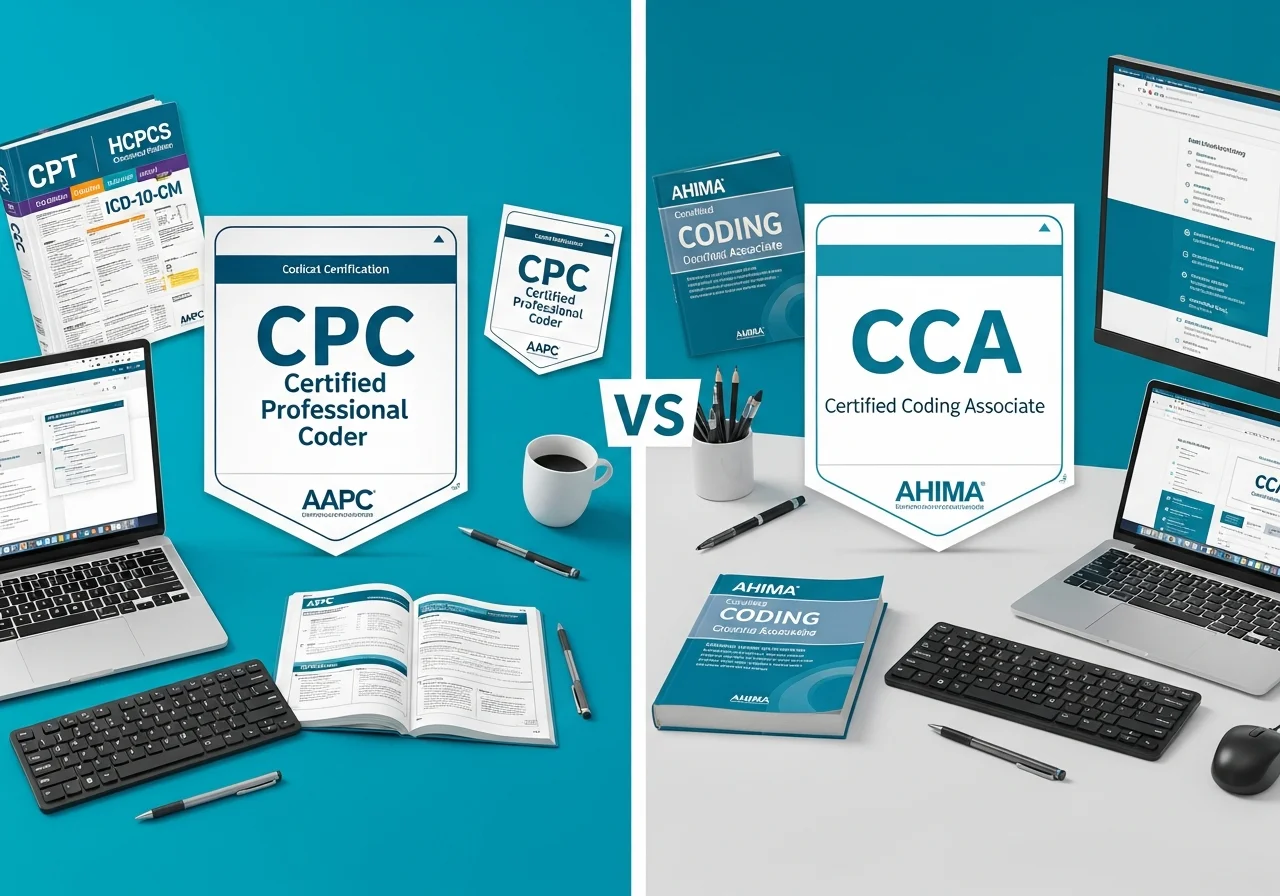
CPC vs CCA: Which Certification?
Comparing AAPC and AHIMA entry-level certifications: cost, difficulty, employer preference, and career impact.

Can AI Replace Medical Coders?
What automation means for medical coders: which tasks are changing and which skills remain essential.

Angela R.
Medical Billing & Coding Specialist | Consultant
Angela worked as a medical billing and coding specialist for multiple chiropractors and orthopedic surgeons. After years in the field, she started her own medical billing and coding consulting company, working with numerous clients throughout Southern California. She brings firsthand industry experience to every article on this site.