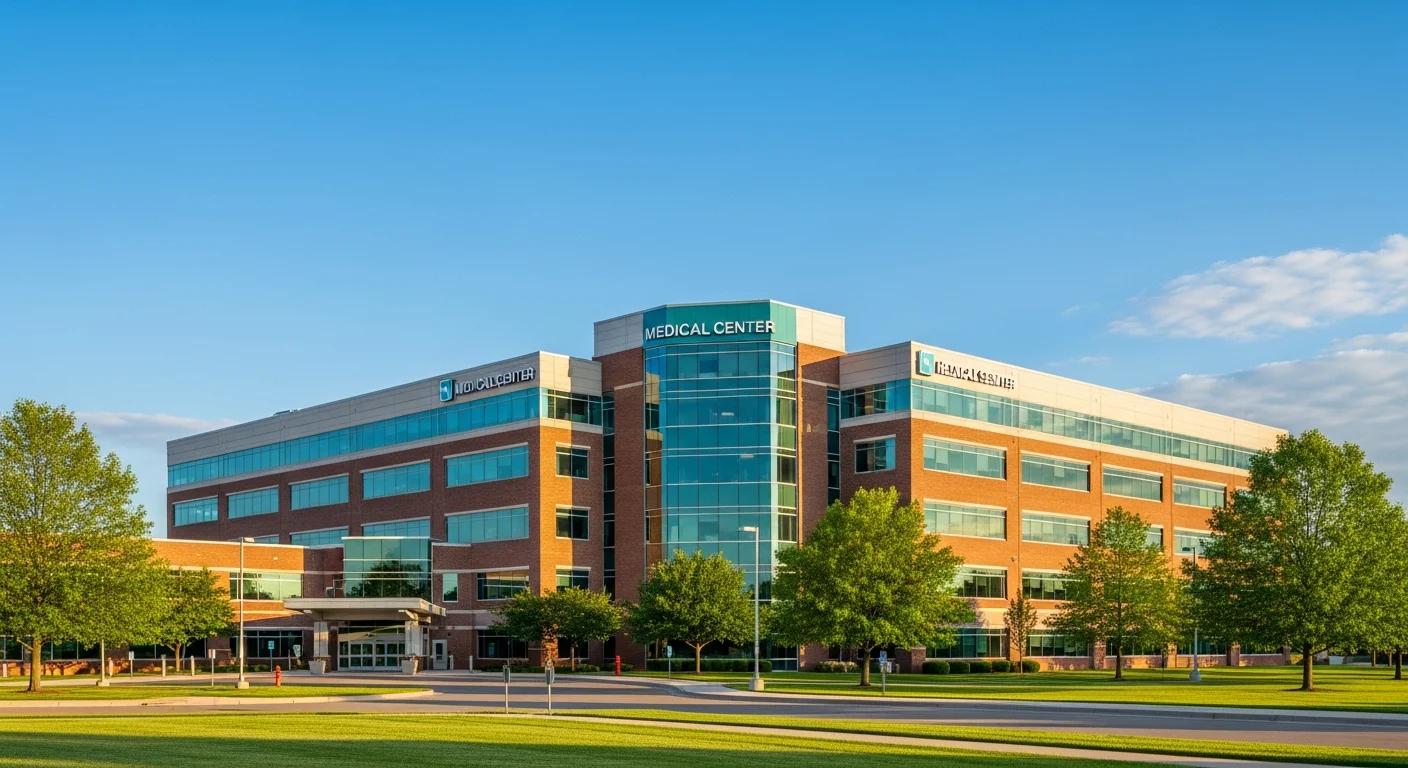
Medical billing and coding programs in Missouri prepare you for a dual-metro healthcare market spanning Kansas City and St. Louis. Professionals here average $63,550/yr with a moderate cost of living, and Park University offers an in-state training option alongside multiple online alternatives.
- 1.Missouri medical billing and coding professionals average $63,550/yr (AAPC), roughly 26% above the national BLS median of $50,250.
- 2.Park University in Parkville offers an in-state program at approximately $11,908/yr with online availability.
- 3.Kansas City and St. Louis anchor the healthcare sector, with major systems including Oracle Health (Cerner), BJC HealthCare, SSM Health, and HCA Midwest Health.
- 4.Certified professionals nationally average $66,979, and those with 3+ certifications average $81,227 (AAPC 2025).
- 5.The BLS projects 7% growth for medical records specialists through 2034, with about 14,200 annual openings nationwide.
$63,550
Average Annual Salary
AAPC state data
26%
Above National Median
vs. $50,250 BLS median
1
In-State Program
Park University (Parkville)
7%
Projected Job Growth
2024-2034 (BLS)
Medical Billing and Coding Programs in Missouri: What You Should Know
If you're looking at medical billing and coding programs in Missouri, you'll find solid earning potential in a state with a below-average cost of living. According to AAPC state data, professionals here earn $63,550 per year ($30.55/hour), about 26% above the national BLS median of $50,250 for medical records specialists (SOC 29-2072). That gives you strong purchasing power.
Missouri's healthcare economy splits between two major metro areas. Kansas City hosts Oracle Health (formerly Cerner), one of the largest health IT companies in the world, along with HCA Midwest Health, Saint Luke's Health System, and the University of Kansas Health System. St. Louis is home to BJC HealthCare, SSM Health, Mercy, and Washington University School of Medicine.
Beyond these metro centers, regional systems like CoxHealth in Springfield and MU Health Care in Columbia serve communities across the state. For broader context, see our national salary guide.
Source: AAPC State Salary Data
Training Programs and Schools in Missouri
Park University in Parkville offers a health information program at approximately $11,908/yr with online delivery. The university holds regional accreditation from the Higher Learning Commission and has a reputation for serving working adults and military-connected students.
Missouri residents can also access national online programs. Penn Foster offers certificates from $1,049 to $1,869. Western Governors University provides a competency-based degree at $7,710/yr. Purdue University Global offers an associate degree at about $10,080/yr. If your goal is to earn a certificate and enter the workforce quickly at the lowest cost, Penn Foster or WGU may be more practical than Park's broader degree program. See our cost guide for comparisons.
Private non-profit at $11,908/yr with online delivery. Broader educational foundation that may support advancement into supervisory and compliance roles.
Key Points
- Health Information Mgmt
- Revenue Cycle
- Compliance
Self-paced certificate starting at $1,049 to $1,869. The most affordable nationally accredited option for Missouri residents who want a fast, focused path to certification.
Key Points
- ICD-10-CM
- CPT Coding
- Medical Billing
Competency-based degree at $7,710/yr. You move at your own pace, and the flat-rate tuition model rewards faster completion.
Key Points
- Health Informatics
- Data Analytics
- Quality Management
Certification Requirements in Missouri
Missouri employers across both metro markets expect coding credentials. AAPC's 2025 survey shows certified professionals earn $66,979 on average nationally, compared to $55,721 for non-certified workers. That's a premium of roughly 20%.
The three entry-level certifications are the CPC from AAPC ($425), the CCA from AHIMA ($199/$299), and the CBCS from NHA (~$117). AAPC has active local chapters in both Kansas City and St. Louis for networking, study groups, and continuing education. Given KC's health IT concentration (Oracle Health), combining a coding credential with health IT skills may create additional opportunities. See our certifications comparison.
Source: AAPC 2025 Salary Survey
Salary and Job Outlook in Missouri
Missouri's average of $63,550/yr provides strong earning potential relative to the state's cost of living. Kansas City and St. Louis metros offer the highest pay, while smaller markets like Springfield, Columbia, and Joplin have lower wages but also lower living costs. Remote work has narrowed these differences; AAPC reports 64.8% of coders work from home.
Professionals with 3+ certifications average $81,227 nationally, and those with 15+ years of experience average $76,988 (AAPC 2025). Missouri professionals who invest in credentials and specialization can reach these higher earnings. See our salary guide for detailed breakdowns.
Missouri vs. National Salary Comparison
| Metric | Missouri | National |
|---|---|---|
| Average Salary | $63,550/yr (AAPC) | $50,250/yr (BLS Median) |
| Hourly Rate | $30.55/hr | $24.16/hr |
| Premium vs. National | +26% | Baseline |
| Park University Tuition | $11,908/yr | N/A |
| Certified Avg. | Above state avg. with credentials | $66,979/yr (AAPC) |
Source: AAPC State Data, BLS May 2024, IPEDS
Career Opportunities and Employers in Missouri
Missouri's dual-metro structure creates two distinct healthcare job markets. In Kansas City, Oracle Health (formerly Cerner) employs thousands of health IT professionals, while HCA Midwest Health, Saint Luke's, and AdventHealth operate major hospital networks. In St. Louis, BJC HealthCare, SSM Health, and Mercy represent the big employers, generating complex coding workloads across inpatient, outpatient, and research settings.
The BLS projects 7% growth nationally for medical records specialists from 2024 to 2034, with about 14,200 annual openings. Missouri's healthcare infrastructure and employer diversity should support consistent demand. Remote work (64.8% of coders per AAPC) adds out-of-state options too. For more on career paths, see our step-by-step guide.
Source: Bureau of Labor Statistics
How to Start Your Medical Billing and Coding Career in Missouri
Choose your training path
Compare Park University ($11,908/yr), Penn Foster ($1,049-$1,869), WGU ($7,710/yr), or Purdue Global ($10,080/yr) based on your budget and goals.
Complete your program
Certificate programs take 4 to 15 months. Associate degrees take about 2 years. Self-paced options may let you finish faster.
Get certified
The CPC ($425) is the most widely recognized across Missouri employers. The CBCS (~$117) is the most affordable entry point. All exams offer remote proctoring.
Target your metro market
Apply to health systems in Kansas City or St. Louis. Consider combining coding credentials with health IT skills to tap into KC's Oracle Health ecosystem.
Frequently Asked Questions
Related Resources
Latest Articles

Medical Billing and Coding Industry Trends 2026
AI-assisted coding, value-based care, and remote work are reshaping the medical coding profession.
CPC vs CCA: Which Certification?
Comparing AAPC and AHIMA entry-level certifications: cost, difficulty, employer preference, and career impact.

Can AI Replace Medical Coders?
What automation means for medical coders: which tasks are changing and which skills remain essential.

Angela R.
Medical Billing & Coding Specialist | Consultant
Angela worked as a medical billing and coding specialist for multiple chiropractors and orthopedic surgeons. After years in the field, she started her own medical billing and coding consulting company, working with numerous clients throughout Southern California. She brings firsthand industry experience to every article on this site.